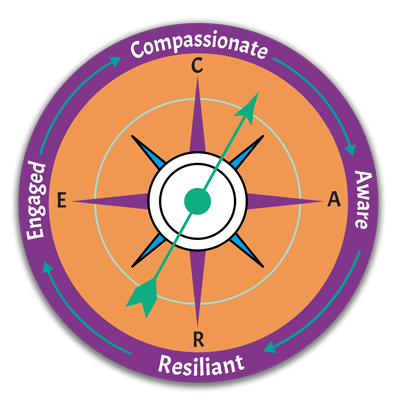

Awareness serves as the gateway to compassionate care. Without it, we overlook subtle cues of need, miss silent signals of distress, and risk slipping into autopilot. With awareness, we approach caregiving not just as a series of tasks but as a human connection rooted in presence and meaning.
Why Awareness Matters
When caring for someone with Alzheimer’s or any serious illness, it’s easy to fall into denial. I know from my own experience how tempting it is to tell yourself this isn’t really happening. But awareness breaks down denial. It sharpens our senses, opens our eyes, and helps us see clearly. Then we can do what must be done, and compassion guides our actions.
Three Layers of Awareness for Caregivers
1. Awareness of the Person You Care For
- Notice body language, tone, and shifts in mood.
- Pay attention to patterns—when do confusion, anxiety, or calmness tend to show up?
- Small observations often prevent big problems.
2. Awareness of Yourself
- Tune into your own emotional state. Are you exhausted, irritable, or running on empty?
- Self-awareness protects against burnout. It allows you to pause, breathe, and reset instead of reacting.
3. Awareness of the Moment
- Stay present rather than replaying the past or fearing the future.
- Ask yourself: What is needed right now? Often, it’s something simple—reassurance, a hand to hold, or quiet companionship.
Building Awareness into Daily Care
Awareness isn’t about hypervigilance—it’s about paying attention. Try slowing down enough to notice details: the look in your loved one’s eyes, the rhythm of their breathing, or your own body’s signals that you need a break. Even brief pauses for reflection can transform how you present yourself.
A Simple Awareness Exercise
Here’s a five-minute practice you can use anytime:
- Pause. Before stepping into your loved one’s space, take one slow breath.
- Notice. What do you see, hear, or feel in this moment?
- Name. Quietly name one observation: She looks calm, or I feel tense.
- Respond. Let that awareness guide your next step—perhaps softening your tone, offering reassurance, or simply resting beside them.
- Reflect. At the end of the day, jot down one thing you noticed that helped you connect.
This practice doesn’t add time to your day—it changes the quality of the time you already spend caregiving.
The Gift of Awareness
Awareness doesn’t eliminate the challenges of caregiving, but it does change how we approach them. When we move beyond denial and into presence, we find resilience. We respond not out of fear or frustration, but out of clarity and compassion.
Awareness is the first step. Compassion and resilience follow. And together, they make caregiving not only bearable but also meaningful.