Diane-Allene (Diana) Hull
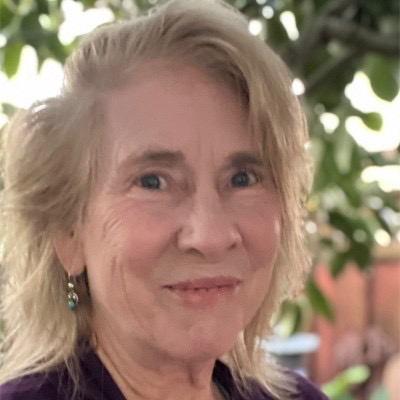
Diana Hull, PA, MPH, has practiced primary care and community health for nearly thirty years in diverse clinical settings. Her broad experience includes family medicine, women’s health, migrant health, and military medicine.
She holds a B.S. in Nutritional Science from San José State University, completed her Physician Assistant education in Primary Care at Stanford University, and earned an MPH from the University of Washington.
Throughout her career, Diana developed skills in careful observation, pattern recognition, risk assessment, diagnosis, and guiding patients through complex health issues. Her public health education expanded this perspective, highlighting social, environmental, and systemic influences on health.
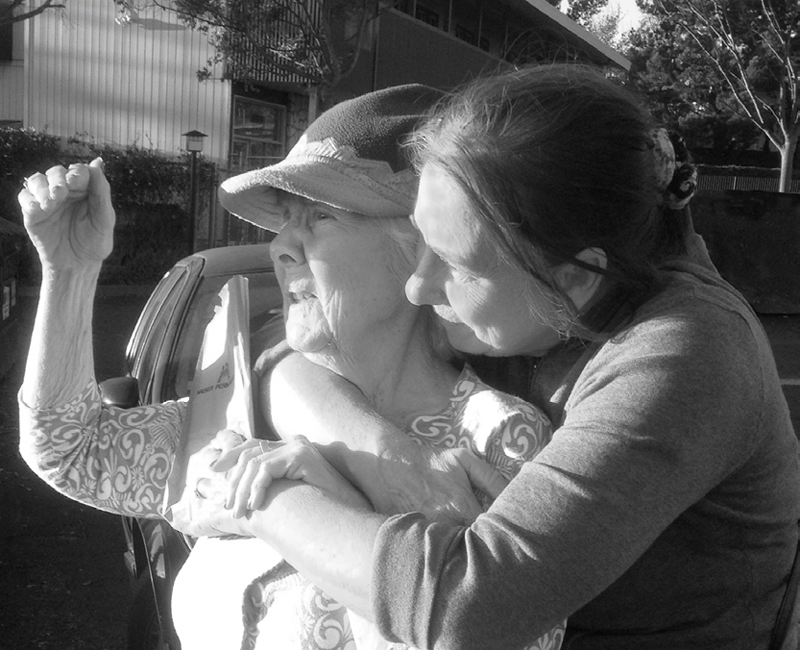
However, as her mother’s caregiver, she fell into the gap in dementia care inherent in our social and healthcare systems.
She confronted the challenges that research identifies as making Alzheimer’s the most difficult chronic illness to manage: profound memory loss accompanied by years of cognitive and functional changes, behavioral issues, difficult decisions about safety and independence, fragmented care systems, and the challenge of finding needed support. Her understanding of our healthcare system—and our need for adequate dementia care—was transformed.
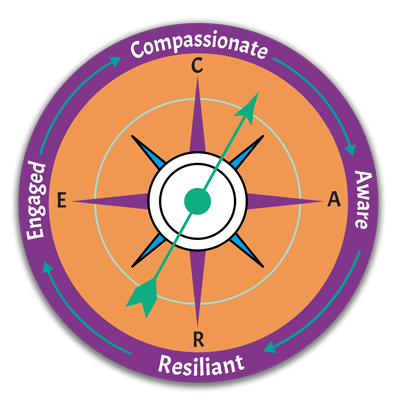
Her journey also inspired the CARE Compass—an approach emphasizing Compassion, Awareness, Resilience, and Engagement—to help navigate caregiving’s uncertainties.
For seven years, Diana led a mindfulness caregiver support group for the Alzheimer’s Association. She guided families facing similar challenges. She has also advocated at state and national levels for those living with dementia and their caregivers. These experiences reinforce her core belief:
Where there is no cure, there must be care.
 Follow me on LinkedIn for reflections on caregiving, Alzheimer’s care, the CARE Compass, and updates about The Heart of Caring in the Age of Forgetting.